Marketing was working. Product was working. Then the math ran out.
I audited the calls before touching the funnel.
Three inputs: the profile of leads each salesperson actually spoke to, recordings of those conversations, and meeting volume measured against meeting duration.
On-demand, not scheduled. And openly prerecorded.
The point was to catch the website visitor at the peak of intent, while they were still on the page.
Automate the education layer. Qualify before a salesperson invests an hour.
The platform never promised live lectures. But a prospect discovering mid-session that it was recorded would read it as a small deception, and small deceptions early cost deals late.
Attendance was a weak signal. So I built stronger ones into the content.
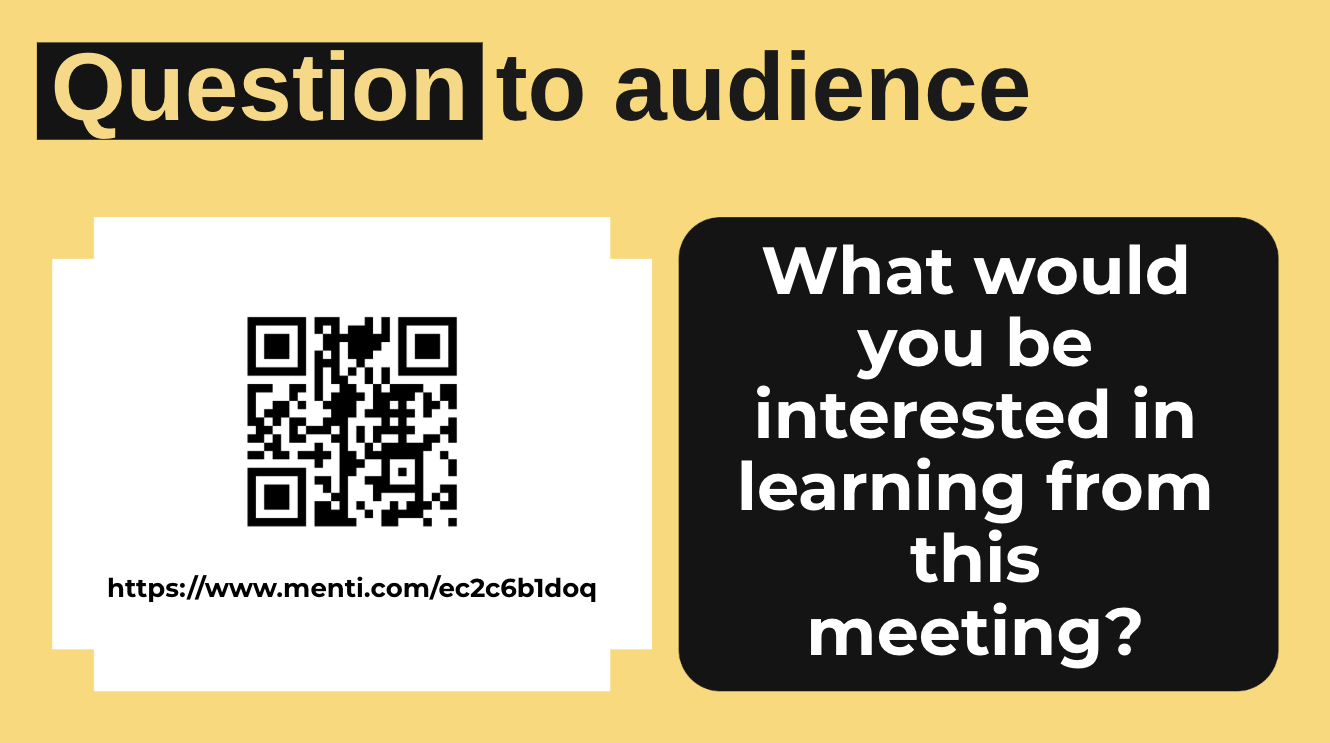
Sitting through a recording proves very little. What proves intent is doing something during it.
The handoff was built into the last slide.
The setup.
Sales teams are expensive. Spending that capacity on leads who aren't ready to buy is one of the most common and costly inefficiencies in B2C and B2B growth operations. The problem isn't always lead volume. It is lead quality at the point of human contact. When every inbound inquiry gets the same level of sales attention regardless of intent, the team burns time and the conversion rate reflects it.
And yet a surprisingly large number of companies still don't use automation at this stage. There's a persistent reluctance to let a system handle any part of the sales process, driven by a belief that human contact from the first touchpoint is what closes deals. What that approach actually produces is a sales team stretched across leads at every stage of readiness, spending the same energy on someone who just heard about the product as on someone ready to sign. The opportunity cost is real, and it shows up directly in conversion rates and team capacity.
What had to be true.
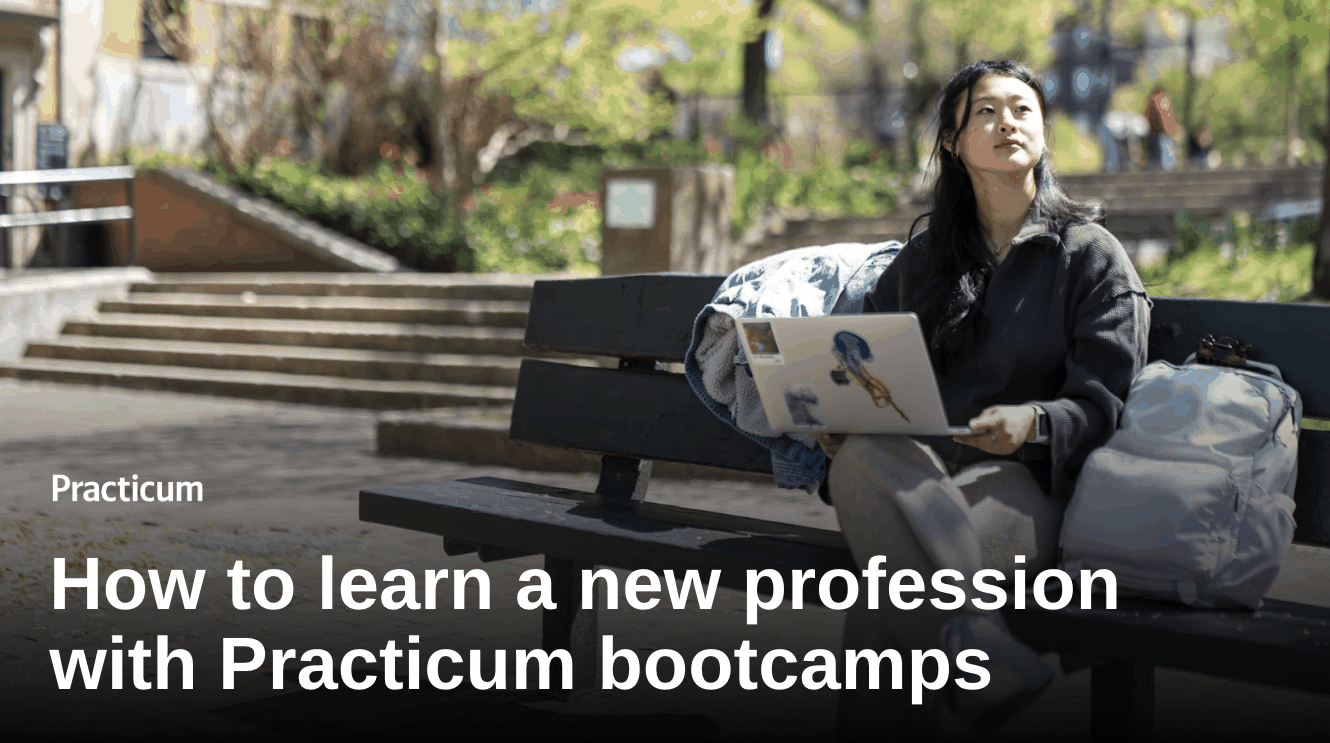
Best Online Bootcamp 2022–2024.
The starting condition was a good one. Marketing was generating growing inbound volume across multiple bootcamp verticals, and the product was strong enough to keep those leads interested. Demand was not the problem.
The problem was arithmetic. Six salespeople, each able to hold 8 to 9 calls a day, with the average conversation running 40 to 50 minutes. At that rate the calendar filled before the leads did. Prospects who wanted to talk this week were being offered a slot next week, and interest does not hold its shape for seven days.
Before proposing anything, I audited the constraint. Three inputs: the profile of leads each salesperson actually spoke to, recordings of those conversations, and meeting volume measured against meeting duration.
The pattern was consistent. A large share of every call went to explaining product fundamentals that were already answered on the website. That is what pushed conversations toward the hour mark, which is what capped the day at 8 or 9 of them. Worse, it meant time went to prospects who had not yet done any of their own research, while people who were close to a decision and had specific questions the website could not answer sat further back in the queue.
So the bottleneck was not headcount. It was that the opening stretch of most calls was a product presentation, and a product presentation is something a system can deliver at scale without getting tired or inconsistent.
The decision was to automate the education layer at the top of the funnel, qualify leads before a salesperson invested an hour, and let the sales team spend its time selling rather than presenting from first principles.
One choice inside that decision mattered more than the format itself: the session had to be on-demand rather than scheduled. A weekly webinar asks an interested visitor to come back later. The whole point was to catch someone at the peak of their interest, while they were still on the page, and give them the full picture immediately.
That carried a real risk, and it was specific to our category. We were an education company. Putting a prerecorded session at the first touchpoint meant a prospect might feel the interaction was less genuine than they expected. The platform itself never promised live lectures, but if someone realised mid-session that it was recorded, they would read it as a small deception, and small deceptions at the first touchpoint are expensive later. The mitigation was straightforward: state plainly that the session was prerecorded and never stage it as live. A prospect who knows what they are watching is not being deceived. A prospect who figures it out on their own is.
How it moved.
What I actually did.
I started with the calls, not the funnel diagram. I pulled the profiles of leads each salesperson was speaking to, listened to recordings of those conversations, and looked at how many meetings the team held against how long each one ran. The picture was consistent across all six: the opening stretch of most calls was product education, and the leads consuming the most of it were the ones furthest from a decision.
That told me what the automated layer had to contain. The session content came directly from the transcripts: the questions early-stage prospects asked most often, the objections that came up in nearly every call, and enough depth on product value that a genuinely interested person could move themselves forward without a salesperson doing it for them.
I made two calls on format that shaped everything downstream.
The first was on-demand rather than scheduled. A weekly slot asks an interested visitor to hold their intent for six days. On-demand meets them while they are still on the page, at the moment the question is live in their head.
The second was disclosure. The session would be stated as prerecorded. In an education category, the trust cost of a prospect discovering that themselves is higher than the conversion cost of telling them upfront. We tested the disclosed version rather than a staged-live one and accepted whatever registration drop that framing produced.
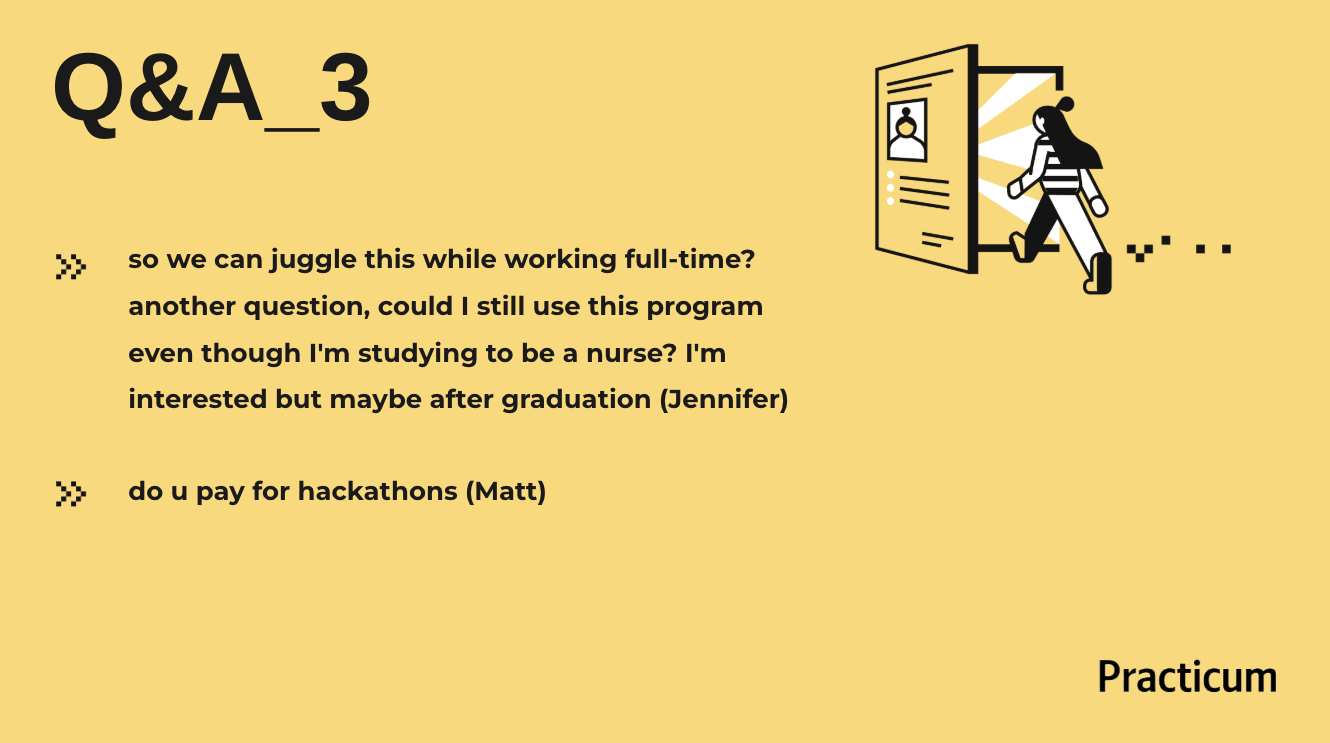
Then the qualification layer. Attendance alone is a weak signal, because sitting through a recording proves very little. So I built actions into the content. QR-code polls at several points asked the audience what they wanted from the session and what industry they came from. Scanning and answering is an action, and every response told us who was genuinely present rather than leaving the tab open. Alongside the polls, the session captured questions by name, and those questions were the strongest signal of all. Someone asking whether the program is manageable alongside a full-time job, or whether it works while they are still finishing a nursing degree, is not browsing.
That gave sales a ranked queue instead of a flat list. Leads who engaged went first, and the salesperson opened the call already holding that person's own question. Leads who stayed passive remained in nurture, still in the funnel, no longer consuming an hour.
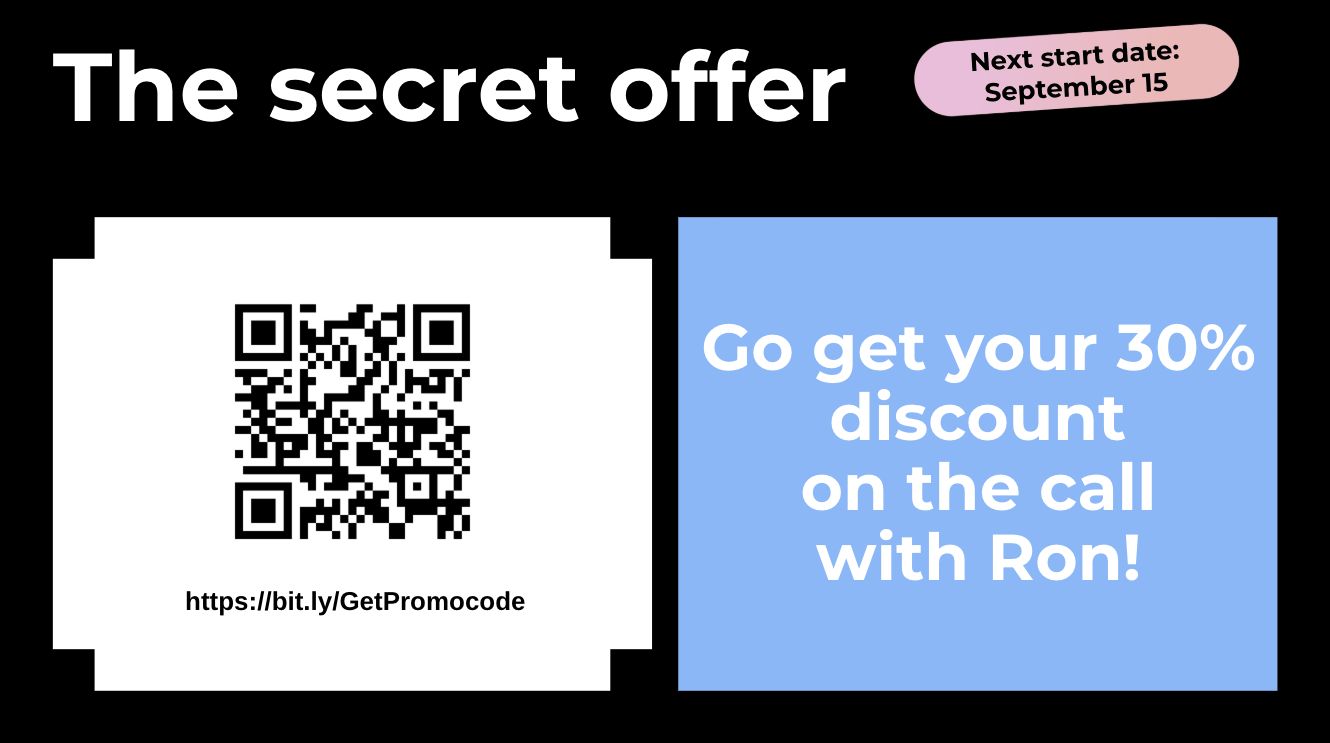
The last slide of the session was the handoff: a specific next step, a named salesperson, and a real offer. By the time someone booked, they knew what they were booking about.
Fewer conversations overall, with a measurably higher conversion rate on the ones that happened.

Supporting material
Measurable outcomes.
- Increased sales conversion by 3%
- Recovered 9% of sales capacity and redirected it to decision-ready leads
- Moved the funnel bottleneck off the sales team without adding headcount
- Shifted the education load off the call, so conversations started at the questions the website could not answer
- Built engagement-based lead ranking from QR polls and captured questions, replacing attendance as the qualification signal
- Kept the format on-demand and openly prerecorded, protecting trust at the first touchpoint
- System scaled across multiple bootcamp verticals
The stack behind it.
Hold out a control group. The 3% lift arrived alongside other changes in the funnel, and I cannot cleanly separate the session's contribution from everything else moving at the same time. Holding back a share of leads on the old routing for the duration of the test would have cost almost nothing and given me a defensible number instead of a directional one.
Measure the cost of the disclosure, not just the benefit. Stating that the session was prerecorded was the right call. But I never quantified what that framing cost at the registration step. Running the disclosed version against a neutrally worded one would have told me the actual price of the honesty, which is worth knowing even when the decision stays the same.
Score engagement by depth, not by presence. QR polls and captured questions were a real improvement over attendance, but they still treated engagement as binary. The stronger version tracks which sections of the session correlate with closing, then scores leads on what they actually watched and rebuilds the content around the moments that convert.
Track average call duration as a named metric from day one. The 40 to 50 minute figure came out of an audit I ran once. It should have been a standing metric on the dashboard, reviewed weekly. If it had been, the capacity ceiling would have been visible months before it became urgent.